
A DAY IN THE LIFE OF ANTOINE THE MENTOR
10/15/20253 min read
Being a mentor isn’t a 9-to-5 job — it’s a calling.
It doesn’t start when I clock in, and it doesn’t stop when I clock out.
Most days begin the same way: a phone call or text from a parent, guardian, or caregiver. The message usually sounds familiar — “He’s been acting out again.” “She’s shutting down.” “I don’t know what else to do.”
These are the moments when I step in — not as a savior, but as a bridge.
The Call for Help
When that call comes through, it’s usually layered with frustration, exhaustion, and love all at once.
The parent has tried everything they know. The school has made its calls. The system has labeled the child “defiant,” “disruptive,” or “non-compliant.” But what I see isn’t a “problem kid.”
What I see is pain, confusion, and a cry for consistency.
Behavioral issues show up in many forms.
Some kids shut down completely — they don’t talk, don’t trust, and don’t try.
Others lash out — yelling, fighting, breaking things, walking out of class, or shutting off emotionally.
Some are struggling with grief, trauma, abandonment, or just trying to survive chaos at home.
Every action tells a story.
My job is to listen closely enough to understand the language behind the behavior.
Meeting Them Where They Are
That’s not a figure of speech — I literally meet them where they are.
Some days, that means walking into a home where tension fills the room.
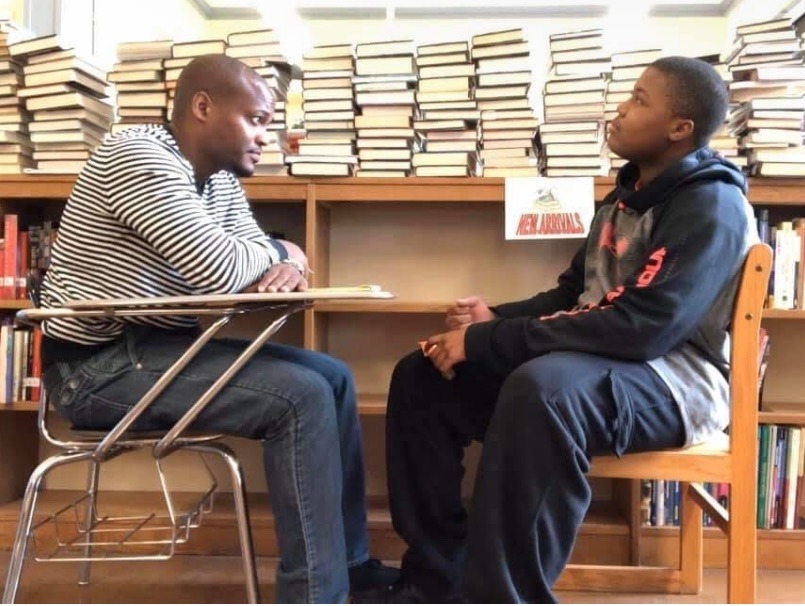
Other times, it’s sitting across from a youth in a residential facility, detention center, or foster placement.
Sometimes it’s pulling up to a basketball court or park because that’s where they feel most comfortable talking.
I adapt to their environment — not the other way around.
Because to earn trust, you have to show up in their world, not just invite them into yours.
Becoming Part of the Village
Once I’m in their life, I don’t just mentor the youth — I become part of their village.
That means showing up at school meetings, talking to teachers, and celebrating their wins no matter how small.
It means sitting in the bleachers at their basketball games, clapping at their performances, and checking in with siblings who might be watching silently from the sidelines.
I talk to parents, caregivers, and even caseworkers, because real change takes a team.
It’s not just about fixing behavior — it’s about rebuilding the foundation around that young person so they feel supported, seen, and safe.
Sometimes I have to be the role model.
Sometimes I have to be the voice of reason.
And sometimes… I just have to listen.
The Challenges
This work isn’t easy.
There are setbacks, tough conversations, and moments when it feels like you’re not getting through.
Some youth test boundaries to see if you’ll quit on them — because everyone else has.
Some open up slowly, piece by piece, letting you see the layers beneath the anger.
But once they realize you’re not going anywhere, the walls start to come down.
That’s when the real work begins — teaching accountability, emotional control, self-awareness, and how to move differently in environments designed to pull them back.
The Reward
There’s no paycheck that can measure the reward in this work.
It’s in the phone call months later that says, “I’m doing better now.”
It’s in the smile when they tell you they passed a class, got a job, or stayed out of trouble.
It’s in the small wins — the ones nobody sees but you know matter the most.
Because being a mentor means you get to witness transformation — not just in them, but in yourself too.
You learn patience. You learn empathy. You learn that growth doesn’t happen overnight, and healing doesn’t happen in silence.
The Mission
My role as a mentor is simple: be present, be consistent, and be real.
Whether it’s at home, in a facility, or in the community, I show up.
Because sometimes, showing up is the only difference between giving up and growing up.
I don’t have all the answers, but I have commitment.
And for many of these youth, that’s the one thing they’ve never had before.
This isn’t just what I do — it’s who I am.
A mentor.
A bridge.
A believer in potential.
And every day, I get the honor of proving that one person’s presence can rewrite another person’s story.


